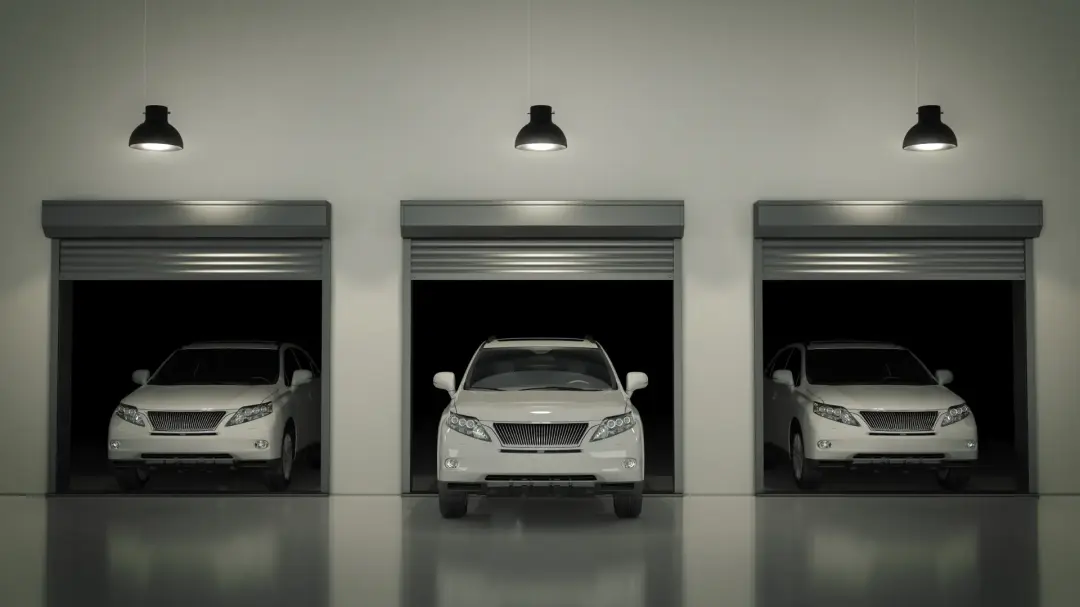
Record the car’s condition before storage
Begin with a walk around the car in good light. Photograph the bodywork, wheels, glass, cabin and engine bay, including any existing chips, stains or leaks. These images are more useful when they show both the whole vehicle and close details. Keep them with the date the car entered storage.
Write down what you know about its current mechanical condition. Note any warning lights, unusual noises, slow starting, fluid use or jobs you have been meaning to arrange. Storage will not resolve a fault, and a minor issue can be easy to forget after several months away from the car.
Record practical details as well: mileage, fuel level, tyre pressures and the location of any locking wheel nut key or battery isolator. If the car has an unusual starting procedure, alarm or bonnet release, include clear instructions for anyone who may need to handle it. This helps avoid hurried guesswork during a future visit.
Agree a handover record with the storage provider. It should identify the car, keys and accessories being left, its visible condition and any care you have requested. A detailed starting record gives you a useful reference for routine checks and a clear comparison when you collect the vehicle.
Clean and dry the exterior thoroughly
Wash the car before it is put away, paying attention to dirt trapped around wheel arches, sills and lower panels. Road film, bird droppings and other deposits are easier to remove now than after months of contact with the finish. Use products and methods suitable for the car’s paint, trim and age.
Take time over drying. Water can remain around badges, seals, hinges and panel gaps after the visible bodywork looks dry. Letting the car stand in a suitable place before covering or parking it for the long term gives those areas a chance to dry. Avoid putting a cover over a damp surface.
Cleaning also creates an opportunity to inspect. Look for paint damage, loose trim, perished seals and signs of corrosion that deserve attention before storage. If you spot an issue, photograph it and decide whether it needs immediate work. A small defect is easier to assess while the car is clean and accessible.
Tell the storage provider about any special finish or recent paintwork. A classic car may have materials that need different care from those on a modern vehicle. If you want professional cleaning, agree what will be cleaned and which products are appropriate rather than assuming a standard detailing process suits every car.
Prepare the cabin and luggage space
Empty the car of food, rubbish and anything that could leak or mark the interior. Check under the seats, in door pockets and in the boot; overlooked items can cause odours or stains during a long stay. Remove valuables and personal documents unless there is a specific reason to leave them with the car.
Clean interior surfaces with products appropriate to their materials. Older leather, fabric, wood and plastics may react differently to strong cleaners or excessive moisture. Use a light touch and allow the cabin to dry fully after cleaning. A tidy, dry interior is simpler to inspect and more pleasant when you return.
Investigate existing dampness before storage. Wet carpets, condensation inside the glass or a musty smell can point to a leak or trapped moisture. Covering the car or closing it away for months without finding the cause may allow the problem to spread. Ask a specialist to assess persistent dampness.
Leave a note of removable accessories, such as a roof panel or tonneau cover, and where each one will be kept. Pack delicate parts so they cannot rub against the interior or bodywork. When collection day comes, you will know exactly what should be with the car and what needs refitting.
Check fluids, leaks and overdue maintenance
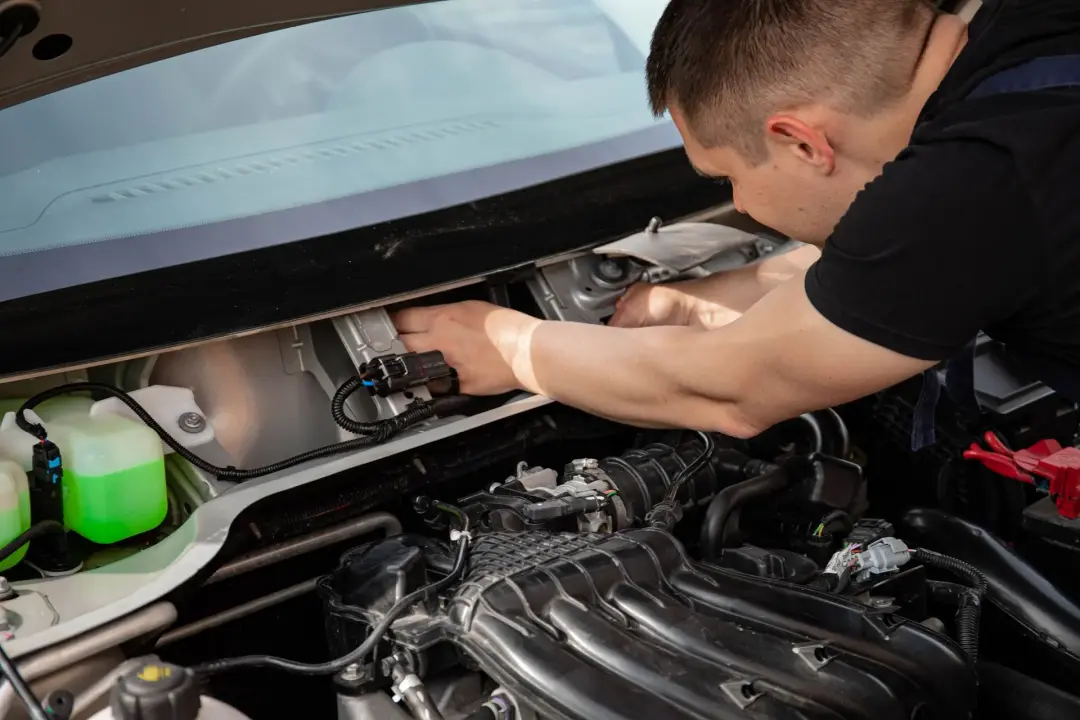
Inspect the ground beneath the car and the visible areas of the engine bay before storage. A fresh drip, low reservoir or unusual smell is worth investigating while the vehicle is still readily usable. Photograph any mark and ask a specialist to identify its source rather than assuming it is harmless.
Review the maintenance schedule and recent service history. If an oil change, coolant work or another service is already due, consider completing it before the car is parked for months. The correct fluids and intervals depend on the model and its condition, so follow the handbook or advice from a mechanic who knows the vehicle.
Do not overlook small mechanical jobs that affect the first drive back. A weak wiper, sticking latch or unreliable light may seem unimportant while the car is stationary, but it can delay a planned outing. Deal with known faults or add them to a written collection checklist so they are addressed before road use.
Tell the storage provider about any leak or mechanical concern that remains unresolved. Explain whether the vehicle may be started or moved and whom to contact if the condition changes. A shared understanding helps staff distinguish an existing issue from a new one and prevents work being undertaken without your approval.
Give the battery a storage plan
A car that is not driven regularly may have a flat battery when you next want it. Modern alarms and other electrical equipment can continue drawing power while parked; older cars can have their own electrical quirks. Assess the battery’s condition before storage, especially if starting has recently become slow or unreliable.
A suitable battery maintainer can help keep a compatible battery charged during a long stay. Use equipment matched to the vehicle and battery type, and follow both sets of instructions. CTEK, whose chargers GQ Storage Ltd says it uses, describes maintenance charging as a way to support batteries in cars parked for extended periods.
If your car has a battery isolator, unusual polarity or specialist electrical system, explain it before anyone connects a charger. Disconnecting a battery is not a universal solution: it may affect alarms, settings or other equipment. Ask a knowledgeable specialist which arrangement suits the particular car.
Agree who will check the charging setup during storage and what happens if it reports a fault. A charger needs a reliable power supply and correct connection; fitting it on day one is only the start of the plan. That small amount of oversight can prevent an avoidable disappointment when collection day arrives.
Protect the tyres and wheels
Check each tyre for damage, uneven wear and age-related cracking before storage. A tyre can hold air yet still need professional assessment. Record its pressure using the vehicle maker’s guidance and check the spare, if fitted. Deal with a slow puncture before leaving the car unattended for months.
Tyres naturally lose some pressure over time. When a car rests in one position, the load remains on the same area of each tyre, which can contribute to temporary flat spots. A storage plan should include periodic pressure checks and, where appropriate for the vehicle and site, careful movement. Follow tyre-maker or specialist guidance rather than choosing a pressure by guesswork.

We advise that tyres on a vehicle resting on the ground should be kept at the vehicle’s normal pressure and checked during extended storage. Its detailed guidance varies by tyre and vehicle type, so ask your tyre specialist how it applies to your classic.
Before the first drive back, inspect the tyres again. Look at pressure, tread, sidewalls and any change in feel once moving. A vibration that does not settle, visible damage or persistent pressure loss calls for assessment before a longer journey. The car’s appearance in storage cannot tell you whether its tyres are ready for the road.
Plan for fuel and mechanical inactivity
Ask your vehicle specialist how best to leave the fuel system for the intended storage period. A classic with carburettors and an older tank may need a different approach from a later fuel-injected car. The right plan depends on the vehicle, fuel and length of storage, so avoid applying a single rule to every classic.
Make a note of the fuel in the car and when it was added. That information helps if the vehicle starts poorly after a long break. If your specialist recommends treatment or other preparation, record what was used and when. The aim is to make the return to service predictable, not to rely on memory months later.
Do not assume that starting the engine briefly while the car remains parked is enough to keep it healthy. If a car is run during storage, agree who will do it, why and according to what procedure. A proper outing may be more useful than an occasional short idle, but only when the vehicle is roadworthy and appropriately insured.
Other moving parts deserve attention at collection too. Brakes can feel different after a long period of inactivity, and a fault may only become apparent once the car moves. Ask for any necessary checks before planning a long drive, particularly if the car was already showing a mechanical concern at drop-off.
Choose a suitable space and cover
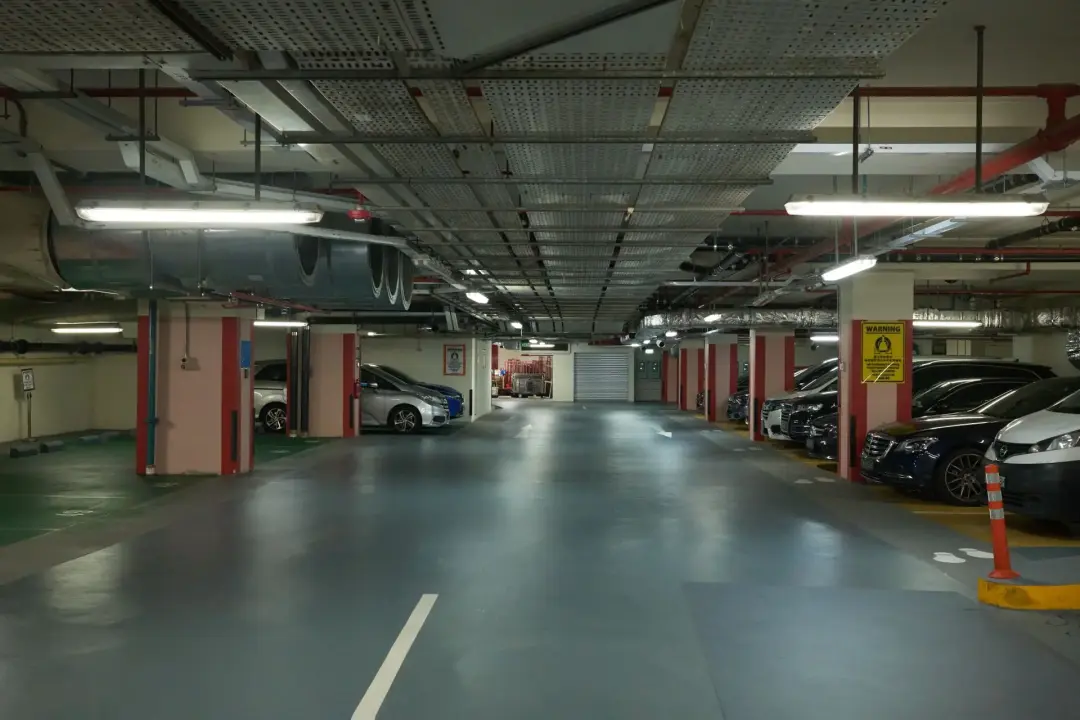
The storage environment affects how much care the car needs. A clean indoor space shelters it from direct weather and makes regular inspection easier. GQ Storage Ltd offers indoor standard, premium and private arrangements as well as outdoor storage; discuss which space suits the car’s finish, dimensions and intended length of stay.
If the car will be covered, choose a cover intended for its setting and make sure the vehicle is clean and dry first. A poorly fitted cover can move against paintwork, while a cover used in the wrong conditions may trap moisture. Ask what type the storage provider uses and whether it fits your car properly.
Leave enough room to inspect and reach the vehicle. Staff should be able to notice a new fluid mark, look at the tyres and access the charging connection without struggling around tightly parked cars. If your classic has broad doors or delicate bodywork, the working space around it deserves as much thought as the size of the bay itself.
Discuss security and key handling at the same time. Establish who can enter the space, whether the car may be moved and how you will be told if an issue is found. GQ Storage Ltd describes gated premises, CCTV and guard patrols; confirm the arrangements at the specific facility you choose.
Agree on checks during the stay
A car should not disappear from everyone’s attention simply because it is in storage. Decide in advance what will be checked and how often. Depending on the arrangement, that might include visible condition, tyre pressure, battery-maintainer status and any signs of a leak or dampness.
Be precise about what a check includes. A glance at the outside of the car cannot establish that every system is working. Equally, you may not want anyone starting or moving a rare vehicle without instructions. Agree which observations staff can make routinely and which actions require your approval.
Set a clear contact process. If staff discover a problem, they should know how to reach you, what information or photographs to send and whether they may contact a nominated specialist. If you will be travelling or unavailable, provide an alternative decision-maker. This prevents a minor issue being left unresolved because nobody knows what to do next.
Keep your own records of any work done during the stay, including cleaning, charging, servicing or vehicle movement. A simple dated log gives you a useful history when you return. It also helps you decide whether the care plan is doing what you expected or needs changing.
Prepare carefully for the first drive
Allow time for collection rather than treating it as a quick key handover. Walk around the car and compare it with your arrival photographs and notes. Check for new marks, dampness or leaks, then review any care or work recorded during storage. Resolve questions while you and the provider can inspect the vehicle together.
Check the basics before setting off: tyres, fluid levels, lights, battery condition and anything noted as a concern before storage. Confirm that the car has a valid MOT where required and that its road use is covered by the appropriate insurance. You can check MOT status using the UK government’s online service.
Begin with a gentle local drive if the car is fit to use. Pay attention to how it starts, steers and brakes, and stop if something feels wrong. A short first outing gives you the chance to spot a problem before committing to a motorway journey, car show or long trip home.
Good storage preparation pays off at this moment. The clean bodywork, documented condition, battery plan and scheduled checks all serve one purpose: making the car easier to enjoy again. If you want help with cleaning, battery care, servicing or collection, discuss those needs with us before the vehicle goes into storage.
Are you looking for premier car storage in Broxbourne, Ware, Buntingford and Hertfordshire? GQ Storage Ltd offer secure car storage for classic and luxury vehicles.
Related Articles

What Are The Top British Classic Cars

What Are Considered Prestige Cars