
Start with how you use your car
A car you drive every weekend needs a different storage arrangement from one that stays parked for an entire season. Frequent use makes convenient access a priority: you want to collect the vehicle, enjoy it and return it without turning each trip into a complicated appointment. For a car that rarely moves, the quality of its resting place and the plan for looking after it may matter more.
Think about what happens between drives. Will you simply park the car and leave it, or will it need cleaning, battery maintenance, servicing or occasional inspection? A practical storage choice supports those activities. It should give you enough room to get around the vehicle and a clear understanding of which tasks the storage team can handle.
Your plans may also change. You might initially store a second car while renovating a garage, then decide to keep it stored through winter. Alternatively, a classic car laid up for months may become a regular weekend drive once restoration work is complete. Discussing both your immediate needs and likely future use helps you avoid choosing a space that soon becomes inconvenient.
Make a short list before comparing prices: how long the car will stay, how often you expect to collect it, who needs access and whether any work is planned. This turns a broad choice between “indoor” and “outdoor” into a decision about your actual routine. It also gives the storage provider the information needed to recommend a suitable space.
Understand what standard indoor storage offers
Standard indoor storage places your vehicle inside a shared main facility. It can be a straightforward solution when your chief aim is to free up space at home while keeping the car under cover. At GQ Storage Ltd, this is described as its most economical and popular indoor option, with self-drop available. The company ideally asks for 24 hours’ notice when you want access.
Being indoors removes direct exposure to rain, fallen leaves and bird droppings. It also makes it easier to keep a clean car clean while it is parked. That is useful for a classic or occasional-use vehicle, particularly when you want to spend your next visit driving rather than first dealing with whatever the weather has left on it.
A shared facility does call for a little planning. Ask how your car will be positioned, whether staff need to move another vehicle to release it and what notice is most helpful. If you expect to arrive without warning several times a week, those practical details may be more important to you than the fact that the car is indoors.
Standard indoor storage is often a strong fit for a vehicle that spends more time parked than driven and does not require a dedicated workspace. It provides a sensible starting point for comparing the other options: decide what extra access, space or facilities you would actually use before paying for them.
Consider premium storage for frequent access
Premium storage is designed for owners who want a more flexible visit. GQ Storage Ltd describes extra-wide bays, 24/7 self-service access, personalised options and a virtual parking attendant as features of this level. The wider bay can make it easier to open doors carefully, walk around the vehicle and prepare it for a drive. Source: GQ Storage Ltd storage options.
Consider a summer weekend car. You may decide to take it out when the forecast improves, rather than plan every drive days ahead. An arrangement that suits spontaneous collection can help you use the vehicle more often. Before booking, ask how entry, departure and returning the car work in practice, especially outside staffed hours.
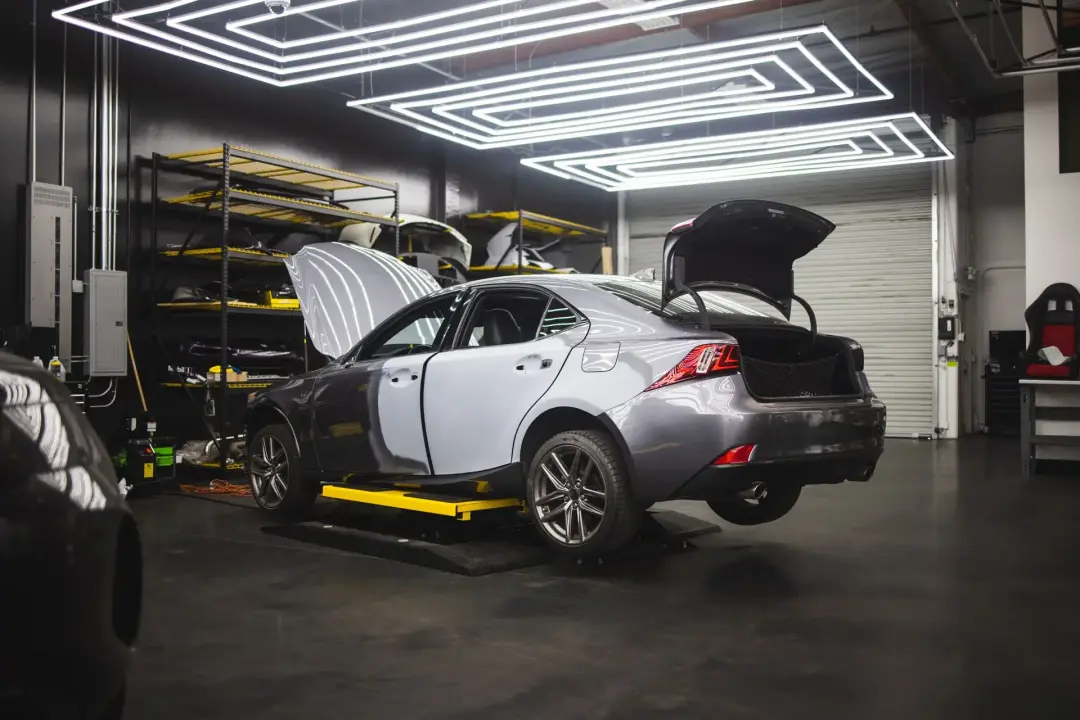
Extra room has value beyond convenience. Large doors, low bodywork or a particularly valuable finish can make a narrow parking space stressful. A wider bay gives you more working room for routine checks and reduces the need to squeeze past another vehicle while carrying a bag, cover or cleaning equipment.
Premium storage is most worthwhile when you will use its additional space and flexibility. If the car will remain untouched for months, those features may have little effect on your experience. If easy, regular access is central to why you own the car, they may make the difference between storage that feels restrictive and storage that supports your driving.
Look at private storage if you need your own space
Private storage gives you a more independent area than a bay in a shared building. GQ Storage Ltd describes a larger garage with a roller shutter, water and power supply, access to your own keys and scope to personalise the surroundings. That combination may suit an owner who wants a place for the car and room to spend time around it.
Think carefully about how you intend to use the space. Cleaning and preparing a car calls for different facilities from simply parking it. If you hope to carry out mechanical work, explain exactly what that means before choosing a unit. GQ Storage Ltd says work is not carried out inside its main storage facility and suggests discussing private storage or its restoration facilities for more involved projects.
Private space can also be useful when a car comes with accessories that need managing: a removable roof, specialist cover or equipment used for events, for example. Do not assume these items can automatically be stored alongside the vehicle. Ask what the unit can accommodate and whether there are any restrictions on tools, liquids or loose parts.
The deciding question is whether you need a dedicated space, rather than occasional access to a parked car. If you regularly prepare a vehicle for shows or want a more personal setting for an ongoing project, a private garage may earn its place in your budget. If you mainly need secure parking, a shared indoor option may be sufficient.
Decide when outdoor storage makes sense
Outdoor storage can suit vehicles that do not need an indoor bay, including larger or bulkier vehicles that are difficult to accommodate inside. It may also appeal when cost is a major part of the decision. GQ Storage Ltd describes its outdoor option as gated and discreet.
Size is only one consideration. Think about the vehicle’s condition, finish and intended length of stay. A robust vehicle used regularly may fit an outdoor space comfortably. A freshly restored classic, delicate trim or a car that will stand through a long wet season may lead you to put more value on indoor protection.
Ask to see where the vehicle would actually park. Check whether you can reach it easily, open its doors fully and manoeuvre it without difficulty. Ground conditions and the space around neighbouring vehicles matter more than a general description of an outdoor facility. A site visit makes those details much easier to judge.
If you choose outdoor storage, plan how you will keep the car clean and check it during its stay. Exposure to weather does not make outdoor storage unsuitable, but it does mean your maintenance routine may need more attention. Choose it because its space, access and price suit the vehicle, with a realistic plan for caring for it.
Match the space to your vehicle’s dimensions
Car storage is often discussed by vehicle type, classic, luxury or everyday, but physical dimensions can be just as decisive. A long bonnet, broad body, low front splitter or unusually wide doors can make a nominally suitable bay awkward to use. Measure the car, including mirrors and any fitted accessories, before agreeing to a space.
Consider what happens when you get out. There must be enough room to open the door safely and move around the vehicle without brushing against walls or neighbouring cars. If you will fit or remove a cover, you need space to do that without dragging it across the paint. A bay that technically holds the car may still be frustrating every time you visit.

Height and approach angles matter too. A low car may need careful assessment of ramps and entrances, while a tall or unusually shaped vehicle may need more clearance than a standard garage provides. If collection by trailer is involved, ask how unloading works and whether there is room to inspect the vehicle before it is parked.
Give the provider the vehicle’s make, model and any modifications, then discuss the particular space proposed. This is especially useful for rare cars whose dimensions or handling may not be familiar. A short conversation before arrival can prevent an awkward handover and help the team prepare an appropriate bay.
Make access arrangements work for you
“Access” can mean different things: entering the site, reaching the car, taking it out and returning it. Ask about each step. Find out whether you hold the keys, whether staff assistance is needed and how much notice helps the team prepare the vehicle. A clear process matters most when you plan to use the car often.
GQ Storage Ltd says it welcomes flexible access, while its standard indoor storage page ideally asks for 24 hours’ notice. Those statements are worth discussing together when you book. Explain whether you tend to plan outings in advance or decide on the day, and ask which storage option best supports your pattern.
Think about returning the vehicle as well as collecting it. You may come back late, arrive after rain or need to switch between a daily driver and a stored car. Ask where you should park on return, whether you can swap vehicles and what to do if an unexpected problem delays you. The company says vehicle swaps are possible; confirm the arrangements that apply to your booking.
If the storage site is a long drive from home, convenient access on paper may still feel inconvenient in practice. Work out the whole journey, including how you will get there when collecting a car and how you will get home after leaving it. The right location should make you more inclined to enjoy the vehicle.
Plan the care your car will receive
A parking space is only part of a successful storage arrangement. Decide whether you want the vehicle cleaned before it is put away, covered while parked or connected to a suitable battery maintainer. These services matter most when the car will remain still for weeks or months and you cannot visit regularly.
GQ Storage Ltd says it offers cleaning, covers and battery charging, alongside detailing, servicing and restoration support. Rather than assuming every task is included in a storage rate, ask for a written description of what will be done, when it will be done and what carries an additional charge.
Your vehicle may need an individual plan. An older car with specialist materials, a recent restoration or an unusual battery setup can call for particular handling. Tell the team about known quirks, existing faults and any manufacturer instructions. The more specific your handover, the easier it is to care for the car as you expect.
Agree how the provider will contact you if it notices a problem. A new fluid mark, low tyre or failed battery charger is easier to address when there is a clear route for reporting it and approving any work. Storage works best when both sides know who is responsible for each decision.
Review security and insurance before booking
Security should be assessed as a whole, not reduced to a single feature. Ask how vehicles enter and leave, how access is controlled and what happens outside normal hours. GQ Storage Ltd describes gated premises, CCTV, alarms and on-site guard patrols among its security measures. Ask which features apply to the particular facility where your car would be kept.
The handover process is part of security as well. Establish who keeps the keys, who may move the vehicle and how any movement is recorded. If you retain your keys, ask what the provider would do in an emergency. Clear arrangements protect your interests and help staff respond appropriately if something unexpected occurs.

Insurance deserves a separate conversation. GQ Storage Ltd says it has cover for damage, fire and theft, but you should confirm the current terms that apply to your vehicle and its agreed value. Tell your own insurer where and how the car will be stored, and ask whether your policy needs updating.
Record the vehicle’s condition at drop-off, including photographs and a note of any existing marks or faults. This is useful for an ordinary family car as well as a high-value classic. It creates a shared starting point for both owner and provider and makes the eventual collection more straightforward.
Compare the full cost and make your choice
The lowest monthly storage price is not necessarily the lowest total cost for your plans. Add any services you expect to use, such as collection, cleaning, battery care or preparation for a show. Ask which services are included, which are optional and how charges change if your stay lasts longer than expected.
Then weigh cost against inconvenience. A more accessible bay may save repeated planning if you drive the car often. A private unit may be valuable if you genuinely need room for preparation. An outdoor space may be the sensible choice for a larger vehicle that does not require indoor conditions. Pay for the features you will use.
Before booking, confirm the location, proposed space, access process, care plan, insurance arrangements and payment terms in writing. If you cannot picture an ordinary visit, from arriving at the gate to driving away, ask the provider to walk you through it. That practical explanation can reveal more than a long list of features.
The best choice is the one that fits your car and your life. Tell the professionals what you drive, how often you want to use it and what support you need during storage. Those details give the team a basis for recommending a suitable option, and give you a clear basis for deciding whether it is right for you.
Are you looking for premier car storage in Broxbourne, Ware, Buntingford and Hertfordshire? GQ Storage Ltd offer secure car storage for classic and luxury vehicles.
Related Articles

What Are The Top British Classic Cars

What Are Considered Prestige Cars